
# Open vs. Enclosed Car Transport: Which Is Better for Your Vehicle?
When arranging vehicle shipping, one of the first decisions is whether to use open or enclosed car transport. Both options move vehicles between locations, but they differ in carrier design, exposure to outside conditions, and typical cost.
The best option depends on the vehicle’s value, condition, your budget, and how much additional protection you want during transportation. Understanding the differences can help you make an informed decision.
## What Is Open Car Transport?
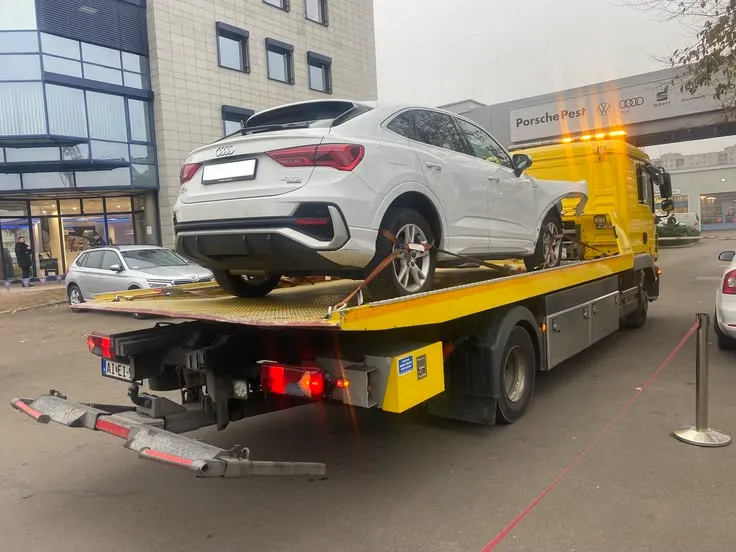
Open car transport uses a carrier that exposes vehicles to outdoor conditions during the journey. Depending on the trailer, several vehicles may be transported on the same carrier.
This method is widely used for standard passenger cars, SUVs, and other everyday vehicles. Because open carriers are commonly used in vehicle logistics, open transport may offer broader availability on many routes. Actual availability and pricing depend on the specific shipment.
### Advantages of Open Transport
**A practical option for everyday vehicles:** Many customers choose open transport for family cars, commuter vehicles, and recently purchased standard vehicles.
**Potentially lower cost:** Open transport often costs less than enclosed shipping because of differences in equipment and operating capacity. The actual price depends on the route, vehicle, timing, and market conditions.
**Common carrier option:** Open carriers are widely used in the auto transport industry, which may make them a convenient choice for many standard shipments.
### Considerations for Open Transport
A vehicle on an open carrier is exposed to rain, dust, road spray, sunlight, and other outdoor conditions. This does not automatically mean damage will occur, but it is a consideration for owners of vehicles with delicate finishes or special preservation needs.
Before booking, ask about inspection procedures, carrier arrangements, insurance information, and how to report a concern if the vehicle’s condition changes during transit.
## What Is Enclosed Car Transport?
Enclosed car transport moves vehicles inside a covered trailer. The trailer’s design offers a greater barrier against weather and road debris than an open carrier.
This option may appeal to owners of classic cars, luxury vehicles, exotic models, restored automobiles, collectibles, and vehicles with specialized finishes. It can also suit customers who prefer a more sheltered transport environment.
### Advantages of Enclosed Transport
**Additional environmental protection:** An enclosed trailer helps shield the vehicle from direct exposure to rain, dust, and road debris during transit.
**Suitable for specialty vehicles:** Owners of classic, collectible, and high-value vehicles may prefer enclosed transport when preserving appearance and condition is a priority.
**A more sheltered transport method:** Enclosed equipment provides a covered environment, although it does not eliminate every transport risk. Proper handling and clear inspection records remain important.
### Considerations for Enclosed Transport
Enclosed shipping generally costs more than open transport. Enclosed carriers may also have different availability, capacity, and scheduling requirements. Customers should ask about loading procedures, access requirements, pickup timing, and insurance arrangements before booking.
## Open vs. Enclosed Transport: Key Differences
The main difference is the type of carrier used and the level of exposure during the trip.
Open transport is often suitable for everyday vehicles and customers looking for a practical shipping option. Enclosed transport is commonly considered when a vehicle’s condition, rarity, or value makes additional protection especially important.
| Consideration | Open transport | Enclosed transport |
| ———————- | ————————————- | ————————————— |
| Carrier type | Open carrier | Covered trailer |
| Weather exposure | Vehicle exposed to outdoor conditions | Greater protection from weather |
| Road debris protection | Less shielding | More shielding |
| Typical cost | Often lower | Often higher |
| Common use | Everyday vehicles | Classic, luxury, and specialty vehicles |
| Availability | Depends on route and timing | May be more limited on some routes |
These are general comparisons, not guarantees of price, availability, or outcome for a particular shipment.
## How to Choose the Right Option
Start by considering the vehicle itself. If you are shipping a standard vehicle used for daily transportation, open transport may be a reasonable fit. If the car is rare, recently restored, has a delicate finish, or carries significant collectible value, enclosed transport may be worth considering.
Next, review your budget and schedule. Request pricing for the same route and dates when comparing options. Ask what the quote includes and whether any access, timing, or vehicle-condition requirements could change the cost.
Finally, check the documentation. Understand the carrier’s insurance arrangements, the inspection process, the expected pickup window, and the procedure for reporting possible damage.
## Prepare Your Vehicle for Either Service
Before shipping, remove personal belongings, take clear photographs, and document existing damage. Make sure the carrier knows about mechanical issues, low ground clearance, modified suspension, oversized tires, or other conditions that could affect loading.
At pickup and delivery, review the vehicle inspection paperwork carefully and keep copies of relevant documents.
## Get Help Comparing Your Car Shipping Options
Choosing between open and enclosed transport does not need to be complicated. Consider the vehicle’s needs, the route, the cost, and the level of protection you prefer.
DriveAxis Auto Transport offers open and enclosed car transport options alongside door-to-door and state-to-state vehicle shipping services. Contact (727) 628-0880 or [info@driveaxisautotransport.us](mailto:info@driveaxisautotransport.us) to discuss your shipment and learn which option may be appropriate for your vehicle.