
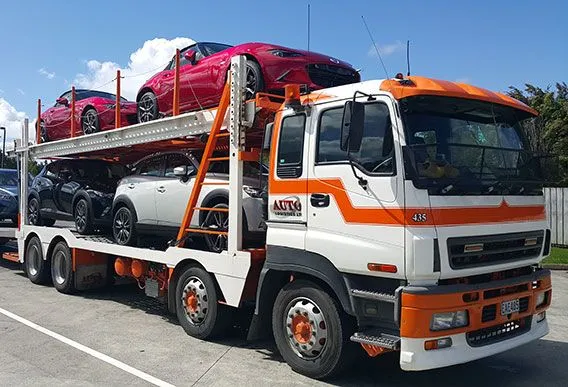
# How Does Car Shipping Work? A Complete Guide to Auto Transport
Shipping a vehicle can be a practical alternative to driving it across long distances. Whether you are relocating, buying a car from another state, sending a vehicle to a family member, or planning an extended stay elsewhere, professional auto transport can help simplify the process.
Understanding how car shipping works makes it easier to compare services, prepare your vehicle, and coordinate pickup and delivery. DriveAxis Auto Transport offers vehicle shipping options for customers who need open car transport, enclosed car transport, door-to-door auto transport, or state-to-state auto transport.
## What Is Auto Transport?
Auto transport is the process of moving a vehicle from one location to another using a specialized carrier or transport truck. Instead of driving the vehicle yourself, you arrange transportation through an auto transport provider.
The right shipping option depends on your vehicle, route, schedule, budget, and preferred level of protection. Some customers choose open transport for everyday cars, while others prefer enclosed transport for classic, luxury, or specialty vehicles.
## Step 1: Request a Car Shipping Quote
The first step is to request a quote. You will generally need to provide the vehicle’s make, model, year, pickup location, delivery location, and preferred transport dates.
Accurate information helps the transport provider assess the shipment and explain the available options. Vehicle size and weight, route distance, seasonal demand, accessibility, and scheduling requirements can all influence the cost.
When reviewing a quote, ask what is included, whether any additional charges may apply, how payment works, and whether the quote is binding or subject to change. Comparing quotes is useful, but the lowest price is not always the best choice if the service details are unclear.
## Step 2: Choose the Right Transport Service
There are several ways to ship a vehicle.
**Open car transport:** Your vehicle travels on an open carrier. This is a common choice for standard cars, SUVs, and many everyday vehicles.
**Enclosed car transport:** Your vehicle travels inside an enclosed trailer. This provides additional protection from weather and road debris and may be suitable for classic, luxury, collectible, or high-value vehicles.
**Door-to-door auto transport:** The carrier aims to pick up and deliver the vehicle as close as safely and legally possible to the requested addresses. Truck access, local restrictions, road conditions, and available space may require an alternative nearby location.
**State-to-state auto transport:** This option is designed for vehicles traveling between states, whether the move is for work, relocation, vehicle purchase, or another reason.
Choose the service that best fits your needs, and make sure the pickup and delivery arrangements are clearly understood.
## Step 3: Prepare Your Vehicle
Before pickup, remove personal belongings and unnecessary items from the vehicle. Carriers may have restrictions on personal property inside a transported car, so confirm the applicable rules before loading.
Clean the exterior if possible. A clean vehicle makes it easier to document existing scratches, dents, chips, and other visible conditions. Take dated photographs from several angles and keep copies for your records.
Remove loose accessories that could detach during transport. Leave approximately a quarter tank of fuel unless the carrier provides different instructions. Check that the battery, tires, brakes, and steering are in a condition suitable for loading and unloading. Tell the transport provider if the vehicle does not run or has special handling requirements.
## Step 4: Arrange Pickup and Inspect the Vehicle
Before the vehicle is loaded, you or an authorized representative should review its condition with the carrier. Existing damage and the vehicle’s visible condition should be recorded on the applicable inspection report or bill of lading.
Keep a copy of the paperwork and make sure you understand how to report any concerns. Ask how you will receive pickup updates and what to do if the scheduled time changes.
Pickup timing can depend on the carrier’s route, weather, traffic, road access, and other logistical factors. Confirm the agreed pickup window rather than assuming an exact arrival time.
## Step 5: Coordinate Delivery
Stay available by phone as the delivery date approaches. The carrier may need to confirm access, arrange a meeting point, or update the expected arrival time.
At delivery, inspect the vehicle in good lighting before signing the final paperwork. Compare its condition with the pickup inspection report and photographs. If you notice possible new damage, document it on the delivery paperwork and follow the carrier’s stated claims procedure promptly.
Keep all relevant records, including the quote, booking confirmation, inspection documents, and communications.
## What Affects the Cost of Car Shipping?
Several factors may affect your final price:
* Distance between pickup and delivery locations.
* Vehicle size, weight, and dimensions.
* Open versus enclosed transport.
* Seasonal demand and route availability.
* Pickup and delivery access.
* Vehicle operability and special loading needs.
* Requested timing and scheduling flexibility.
Provide complete details when requesting a quote so the provider can assess the shipment more accurately.
## Choose a Transport Option That Fits Your Needs
A smooth shipping experience starts with clear communication and realistic expectations. Review your options, prepare the vehicle carefully, document its condition, and confirm the details before pickup.
DriveAxis Auto Transport provides options for open car transport, enclosed car transport, door-to-door vehicle shipping, and state-to-state auto transport. Contact the team at (727) 628-0880 or [info@driveaxisautotransport.us](mailto:info@driveaxisautotransport.us) to discuss your vehicle shipment and request information about available service options.